







A Living Pedagogical Ecosystem
for Film and Media Arts
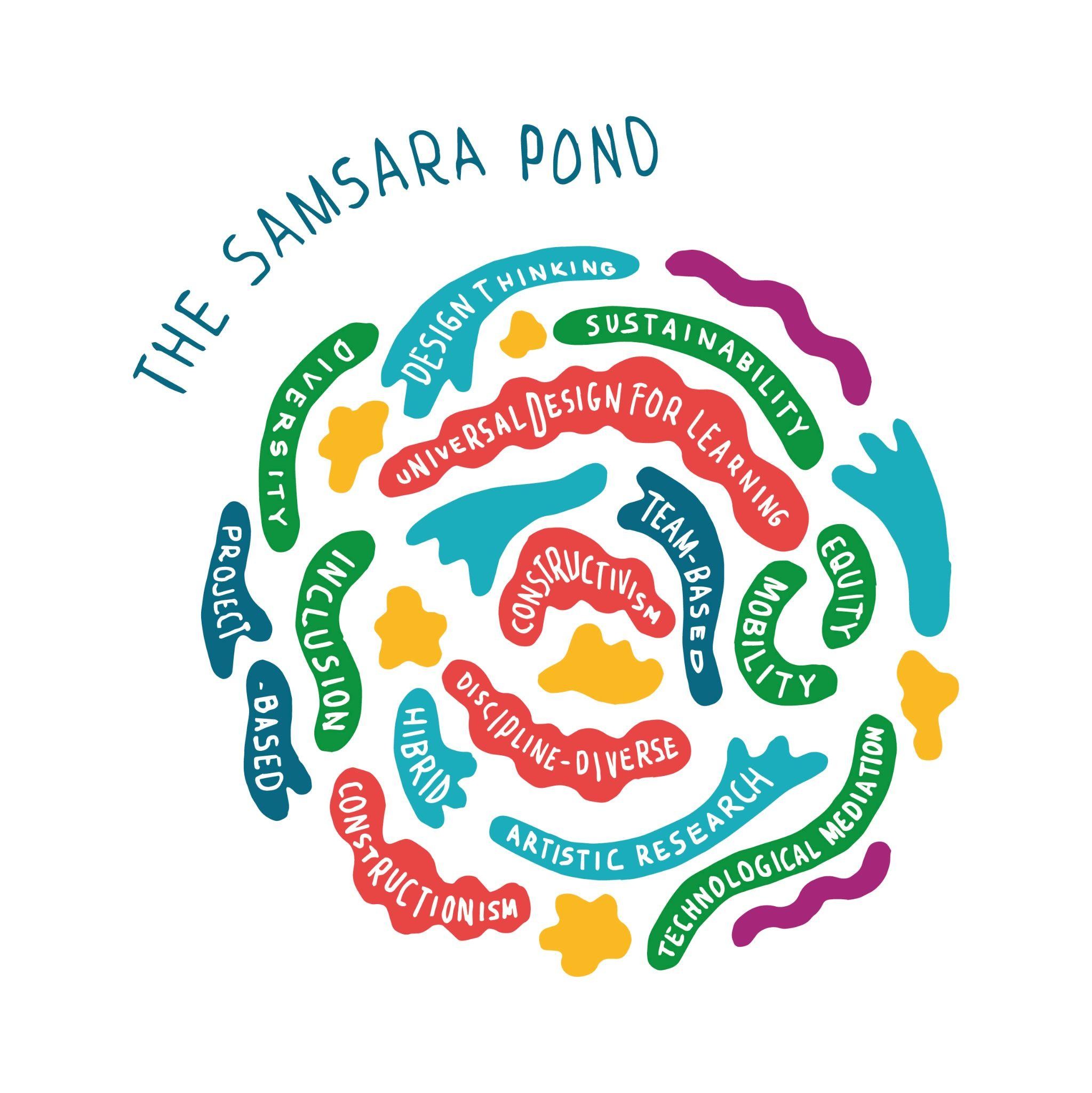
The Samsara Fish Model is FilmEU’s dynamic pedagogical heart, a living ecosystem where ideas, practices and people meet to generate new ways of teaching, learning and creating. Inspired by natural systems, it reframes education as an organic, evolving process rather than a fixed structure, enabling educators and students to co-create meaningful, future-oriented learning experiences across borders, disciplines and cultures.
More than a framework, the Samsara Fish Model is an invitation: to enter a shared space of experimentation, curiosity and reflection, where creativity flows freely and education is continuously renewed.
From Framework to Flow
Reimagining Educational Design
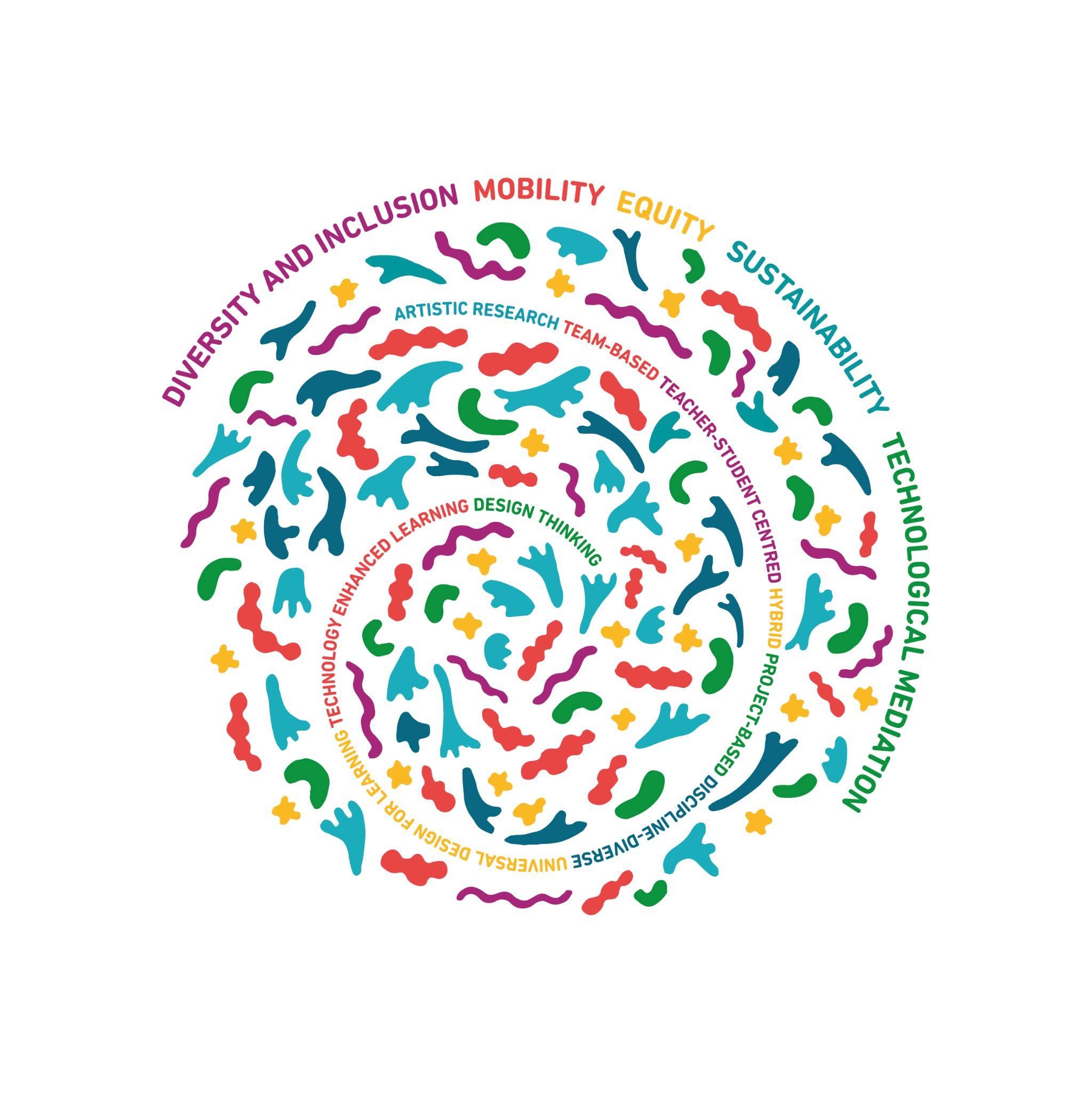
Traditional pedagogical models often feel rigid and prescriptive. Samsara breaks with this legacy by embracing fluidity, horizontality and playfulness. Its original metaphor of the biological cell has evolved into the concept of a model, a fertile environment in which multiple elements coexist, interact and transform one another.
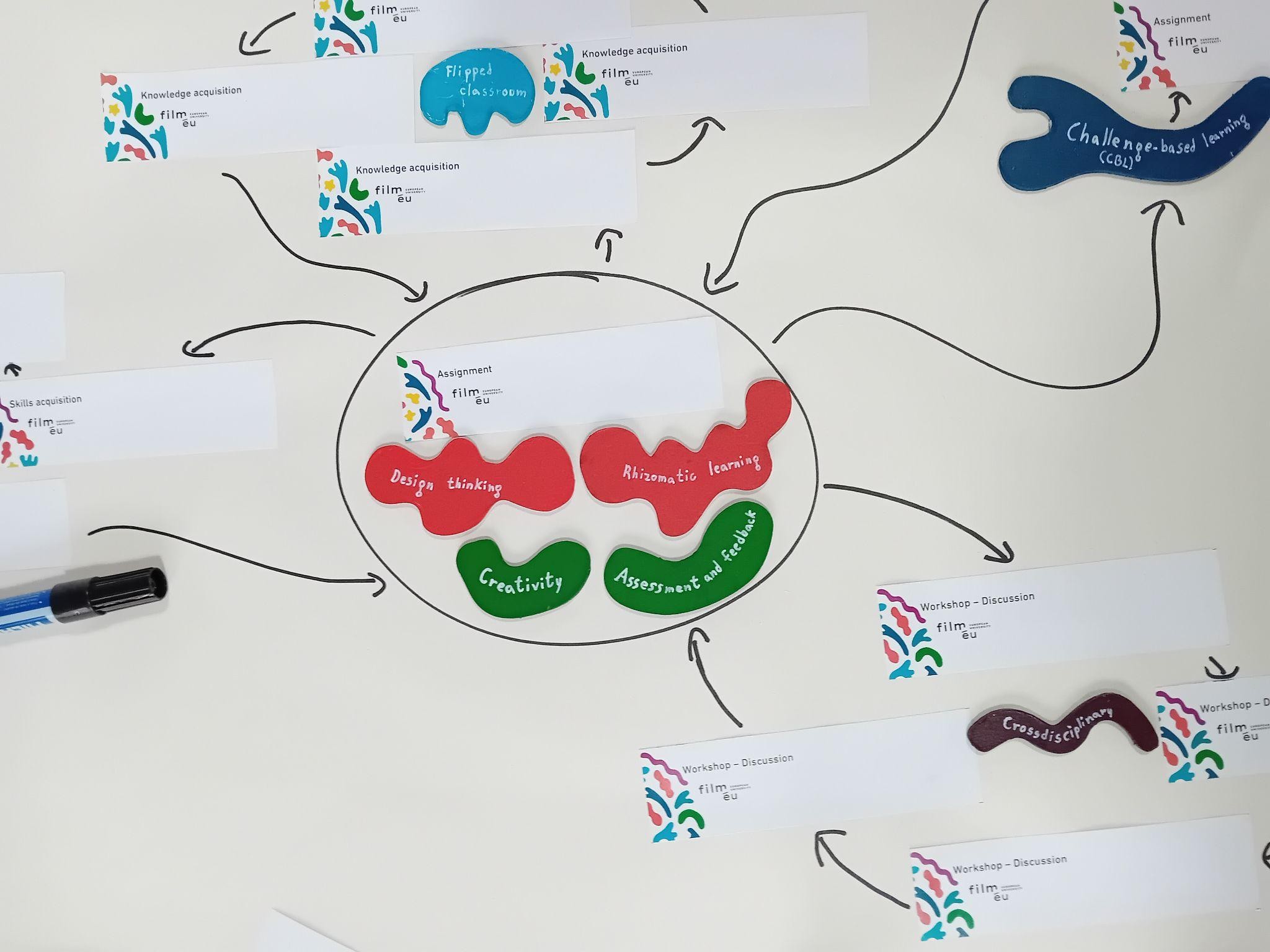
Within this model, educational design is not imposed from above but cultivated collectively. Educators curate, combine and adapt pedagogical elements in response to context, motivation and emerging challenges, ensuring that learning remains relevant, responsive and deeply connected to practice.
A Toolbox for Creative Educators
Designing Learning as an Artistic Practice
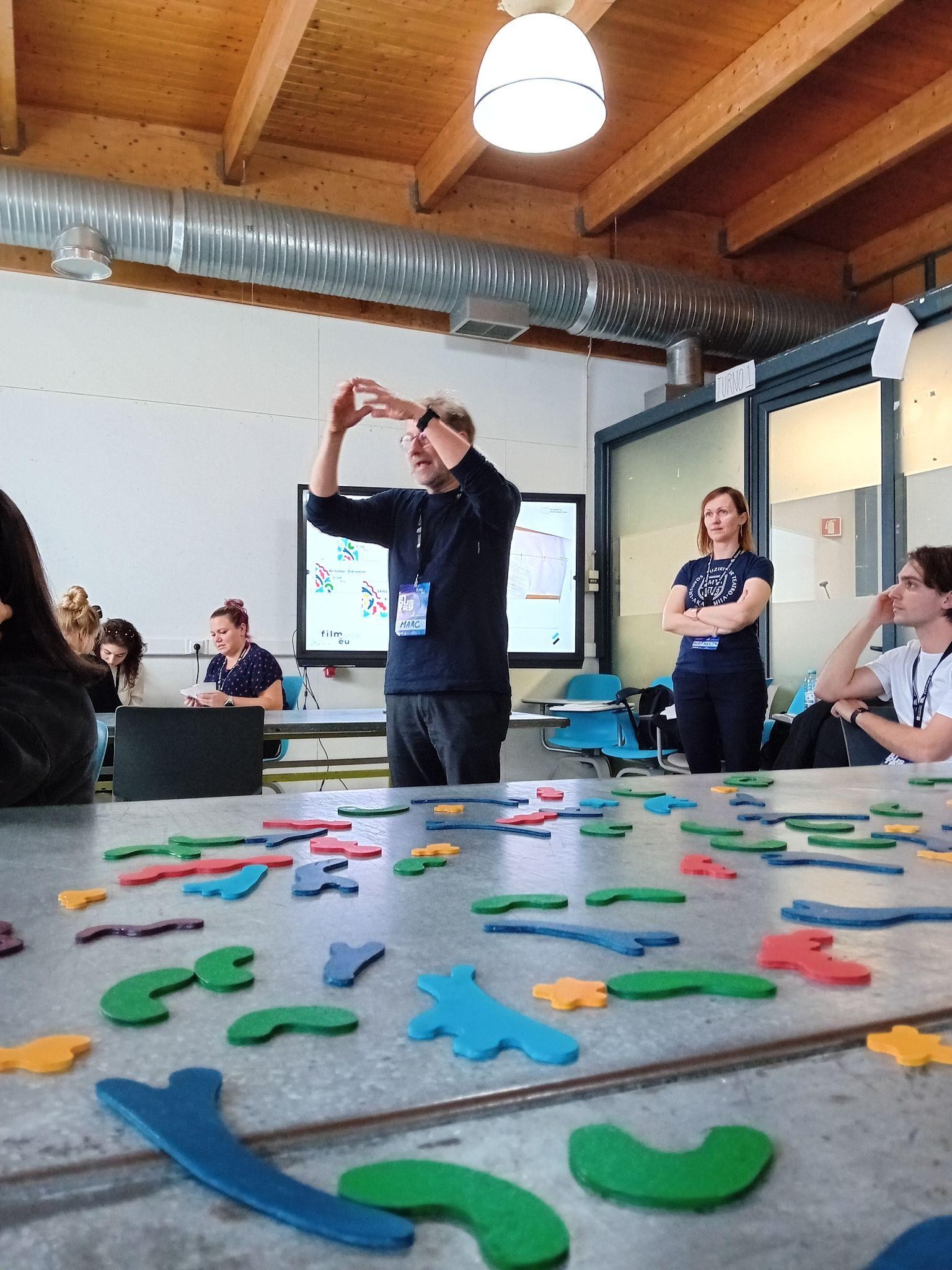
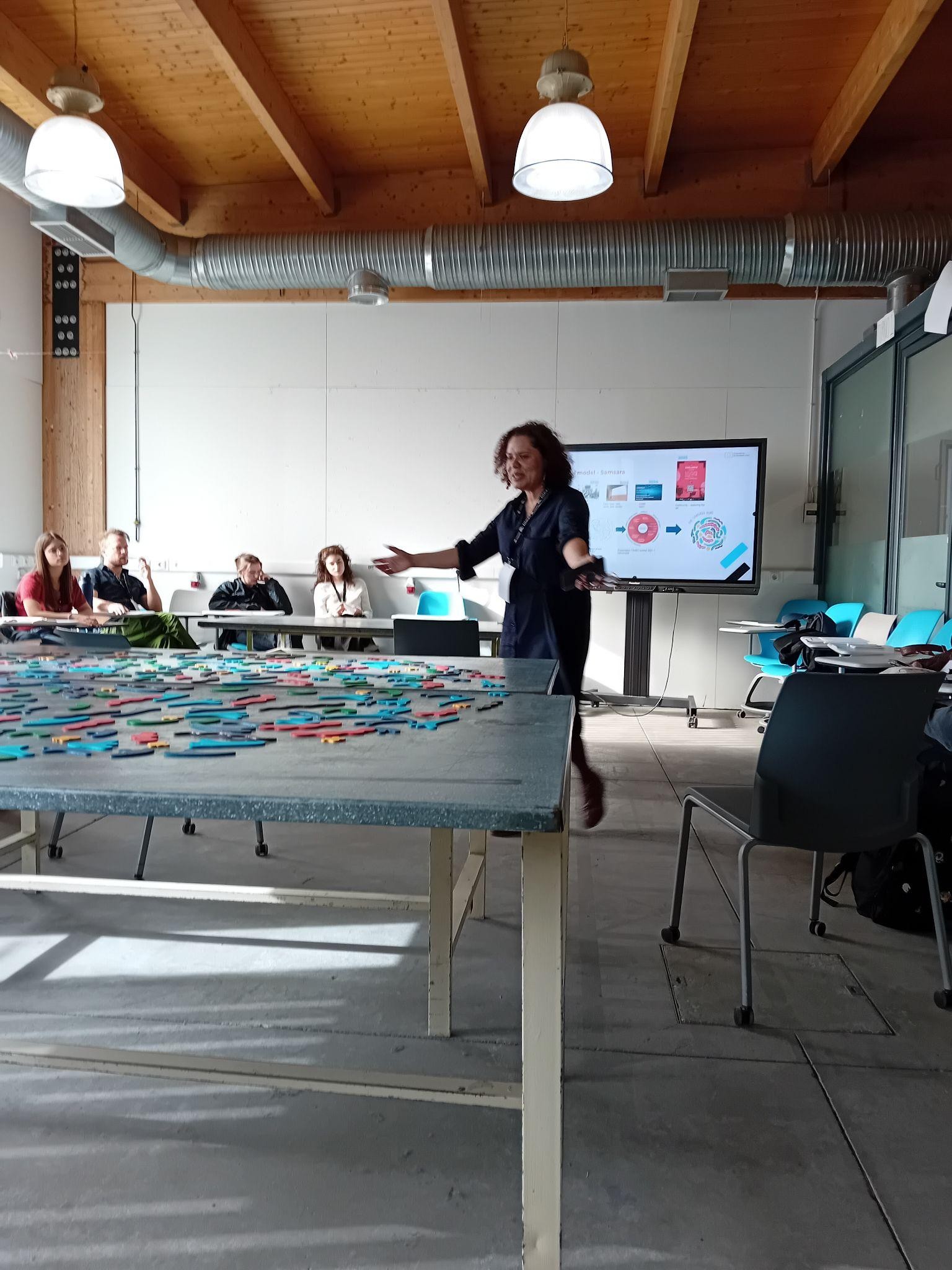
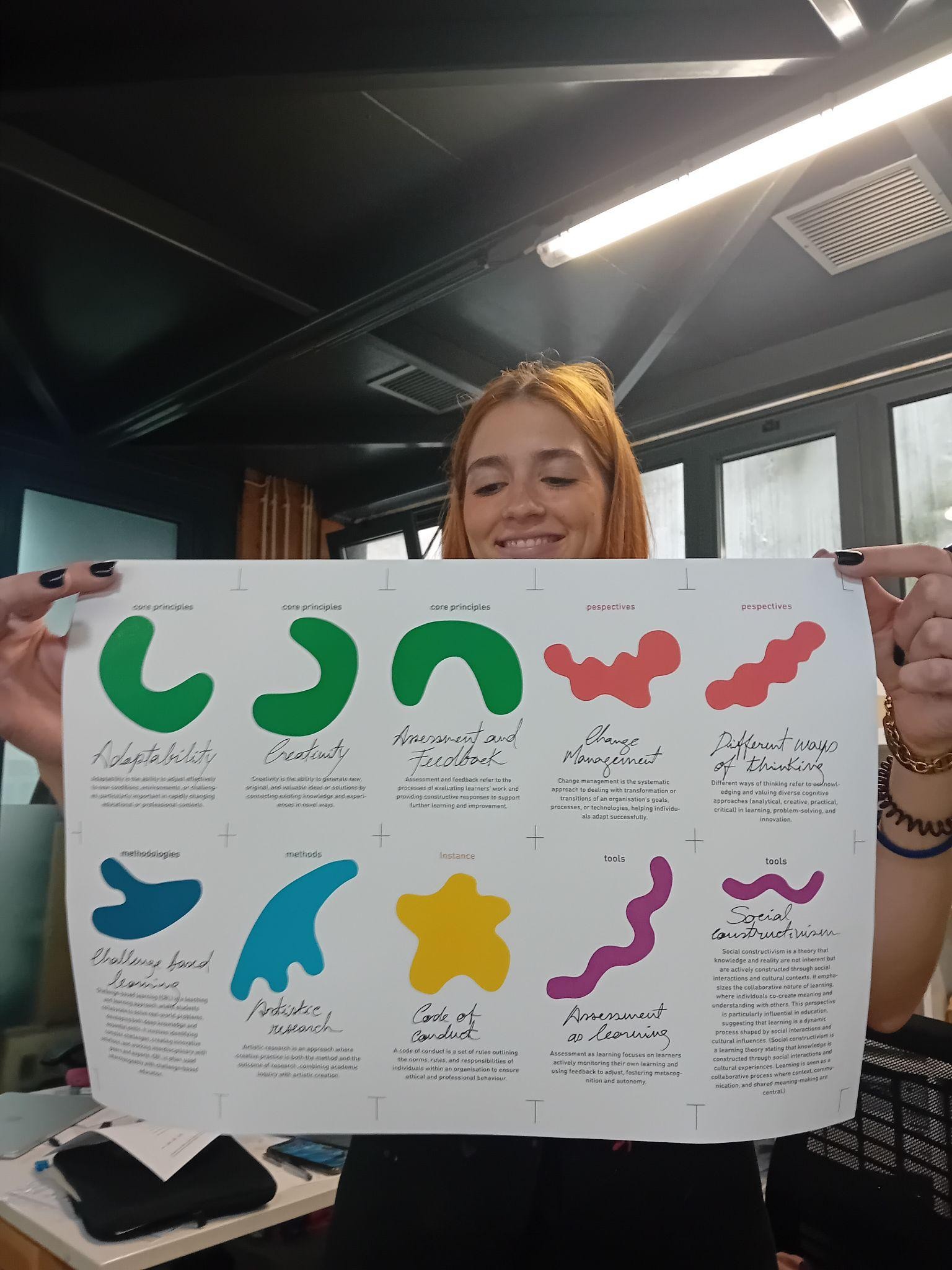
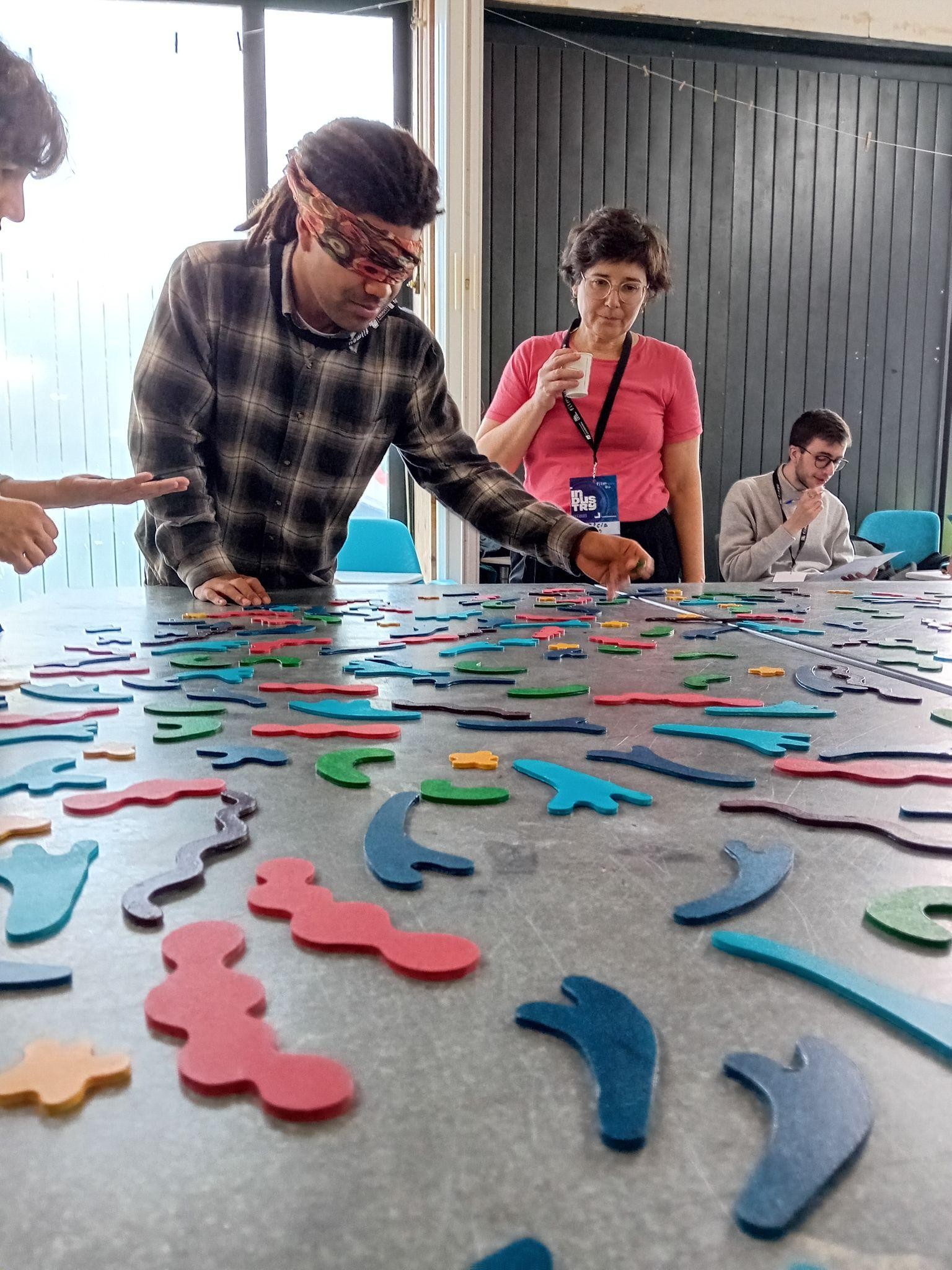
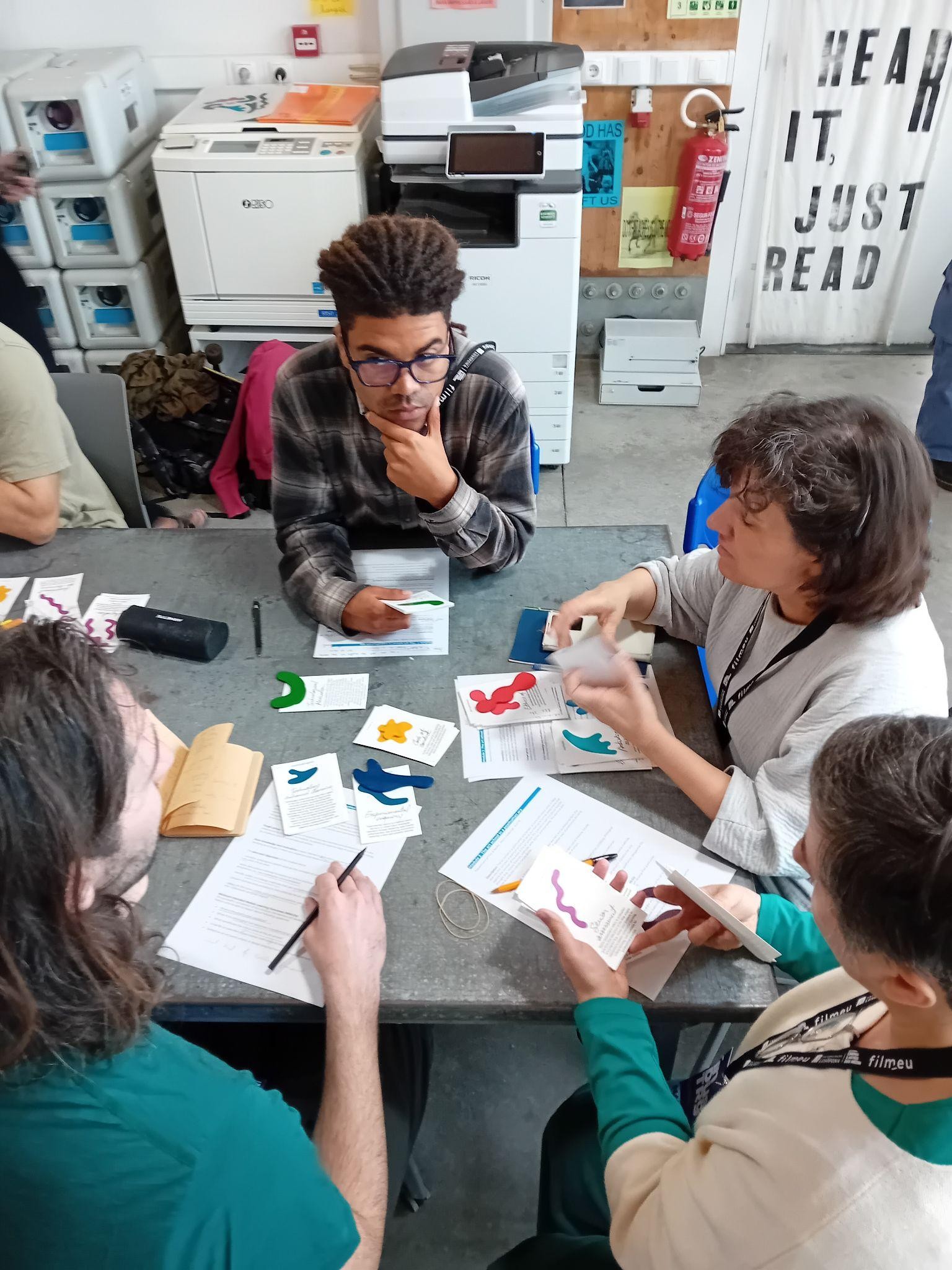
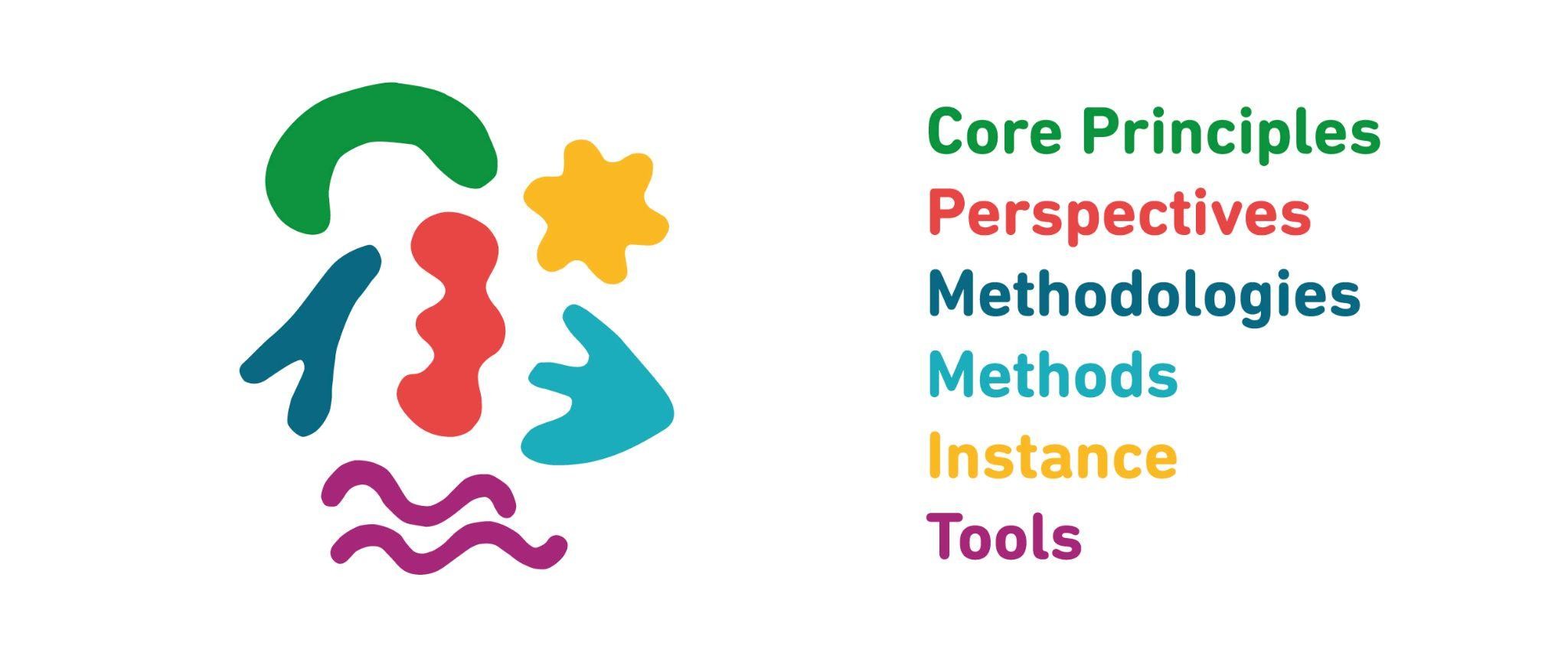
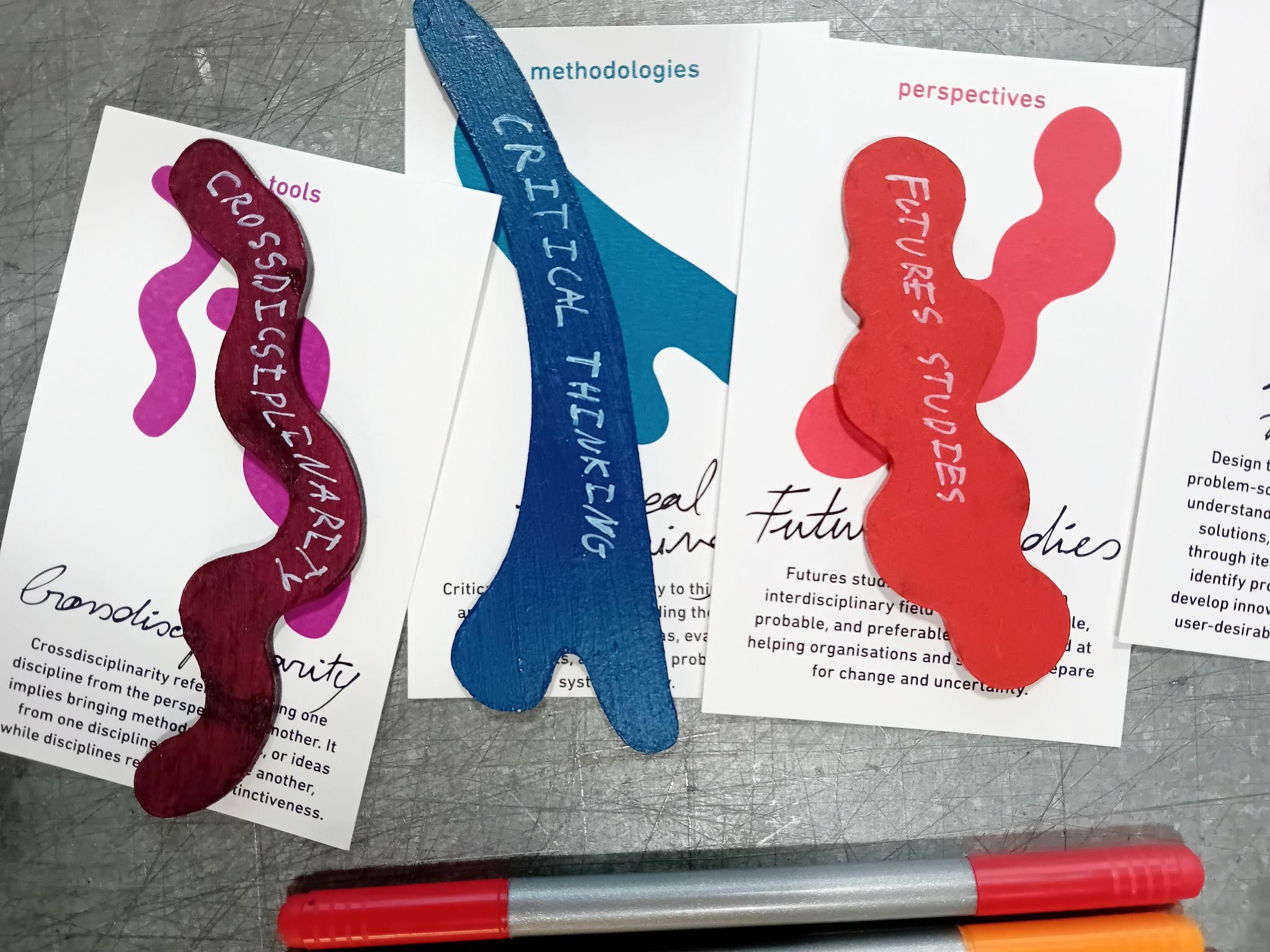
At the core of the Samsara Fish Model lies a rich set of pedagogical elements organised across principles, perspectives, methodologies, methods, tools and instances. Through workshops, card decks, role-based activities and collaborative design sessions, educators are empowered to shape their own teaching pathways.
This process transforms educational design into a creative act in itself, one that values intuition, dialogue and experimentation as much as structure and rigour. The Samsara tools support educators in steering their creative outputs, making teaching not a routine, but an ever-renewing artistic practice.
Learning Beyond Borders
A Community of Co-Creation
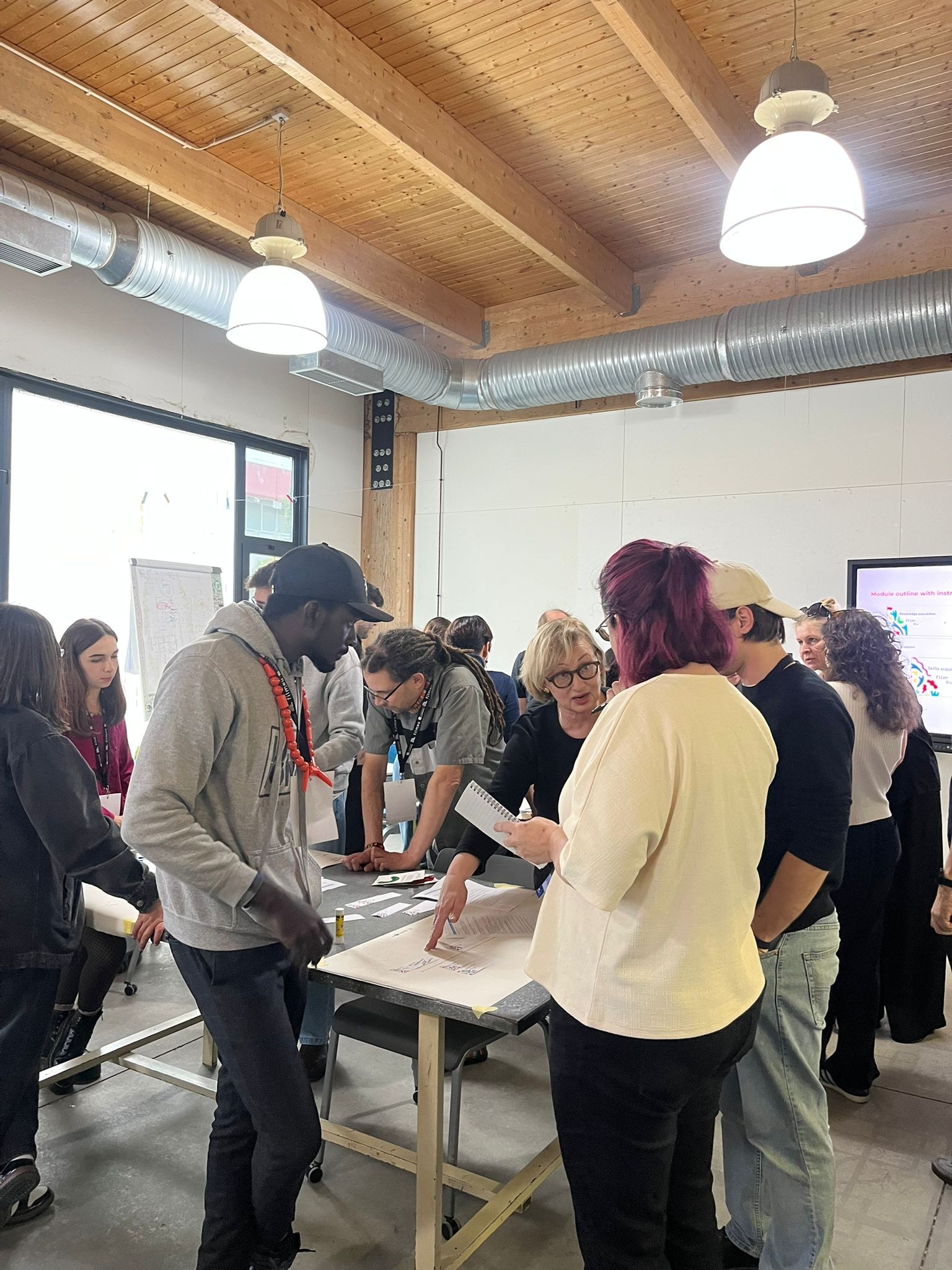
The Samsara Fish Model thrives on collaboration. It brings together diverse voices, disciplines and cultural perspectives into a shared learning environment where knowledge circulates rather than accumulates. Here, educators and students become co-creators, learning from one another across institutional and national boundaries.
By fostering intercultural dialogue, interdisciplinary exchange and peer-driven reflection, Samsara strengthens FilmEU’s vision of a European University rooted in openness, trust and mutual learning.
Future-Facing by Design
AI, Sustainability and Creative Agency
Today’s educational landscape is shaped by profound transformations. The Samsara Fish Model embraces these shifts by embedding artificial intelligence, sustainability and social responsibility as transversal dimensions across all pedagogical designs.
Rather than treating these themes as add-ons, Samsara integrates them into everyday learning processes, equipping educators and students with the critical literacy and creative agency needed to navigate a complex, post-digital world.
Join the Model
An Invitation to Shape the Future of Education
The Samsara Fish Model is not a finished product. It is a living framework, continuously enriched by those who step into it. Each contribution, each experiment, each shared reflection adds a new ripple to the model.
FilmEU invites educators, students and cultural partners to engage with Samsara – to explore, question, redesign and reimagine what film and media arts education can become. Together, we are not only shaping curricula; we are cultivating a vibrant ecosystem for the future of creative learning in Europe.
Samsara remains a Pedagogical model or as stated in the document Living Pedagogical Ecosystem whereby the Educational design for courses, modules, projects is owned by teachers and designed in close collaboration with students.